Medical Transport Missions
When distance becomes a barrier to care, we fly.
Advanced medical care is not always nearby. Sometimes the right specialist is in another state. Sometimes the nearest capable hospital is in another region — or another country. When time matters and distance stands in the way, aviation becomes access.
What Medical Transport Means
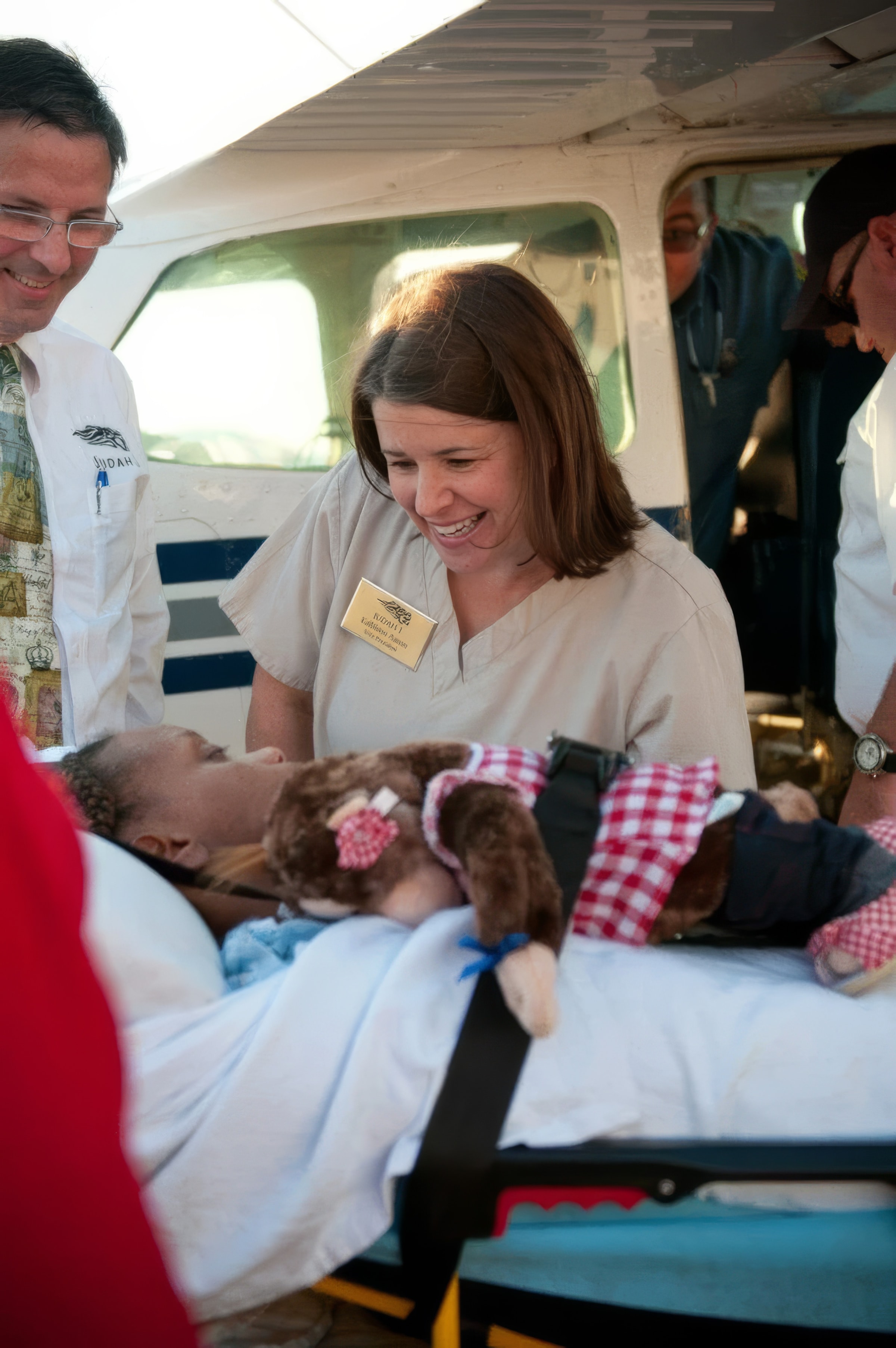
Medical transport missions use aircraft to remove geographic barriers to healthcare — connecting patients, medical teams, and critical supplies with the care and resources they need.
- Patients to Advanced Treatment
Transporting patients to highly specialized treatment centers. - Interstate Specialty Access
Flying individuals across state lines for rare or complex procedures. - Evacuation from Remote Areas
Moving patients from underserved locations to facilities capable of advanced care. - Supplies & Equipment
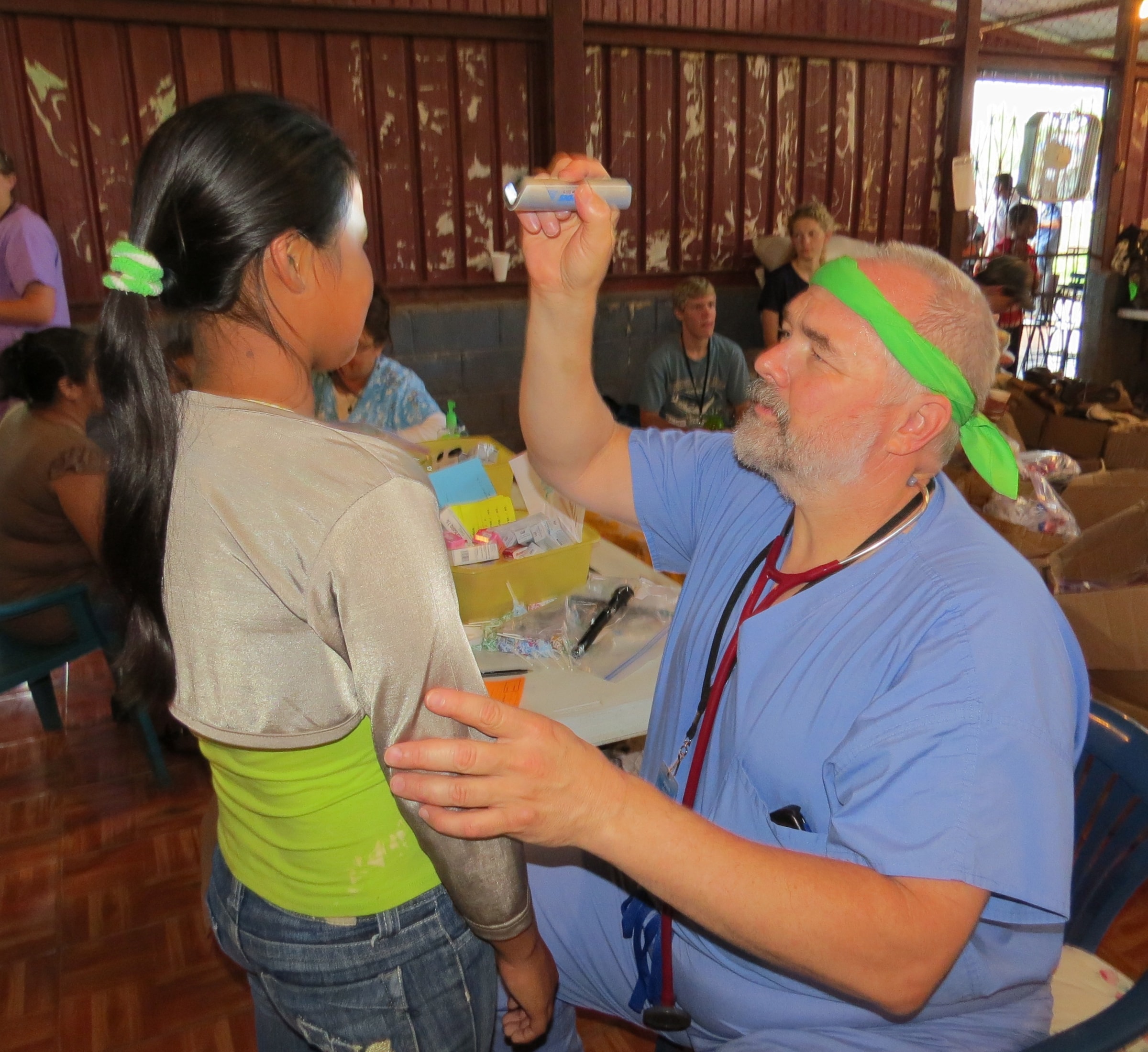
Delivering medications, oxygen, and critical medical equipment when needed most. - Medical Personnel Deployment
Transporting medical professionals to areas with limited healthcare access.



Why Aviation Matters for Medical Transport
Medical needs don’t always align with geography. Aviation reduces delay, simplifies logistics, and helps patients access the best available care when ground travel or commercial routes add risk, strain, or lost time.
Time
Shortens travel windows when timing affects outcomes and treatment options.
Access
Reaches specialty centers and capable facilities without complex multi-leg routing.
Reduced Strain
Limits physical burden and fatigue for patients and families during difficult seasons.
Fewer Handoffs
Simplifies logistics by reducing transfers, delays, and travel uncertainty.
Domestic and International Impact
Medical transport needs exist both locally and globally. The details change by region, but the purpose is consistent: connect people to care that would otherwise be out of reach.
Within the United States
Many patients travel across state lines for specialized care — for example, from one region to another to reach leading specialists for rare or complex procedures.
Outside the United States
In some areas, distance and infrastructure limitations delay access to capable facilities. Aviation can help connect patients and providers to the resources needed for treatment.
The geography changes. The purpose does not.


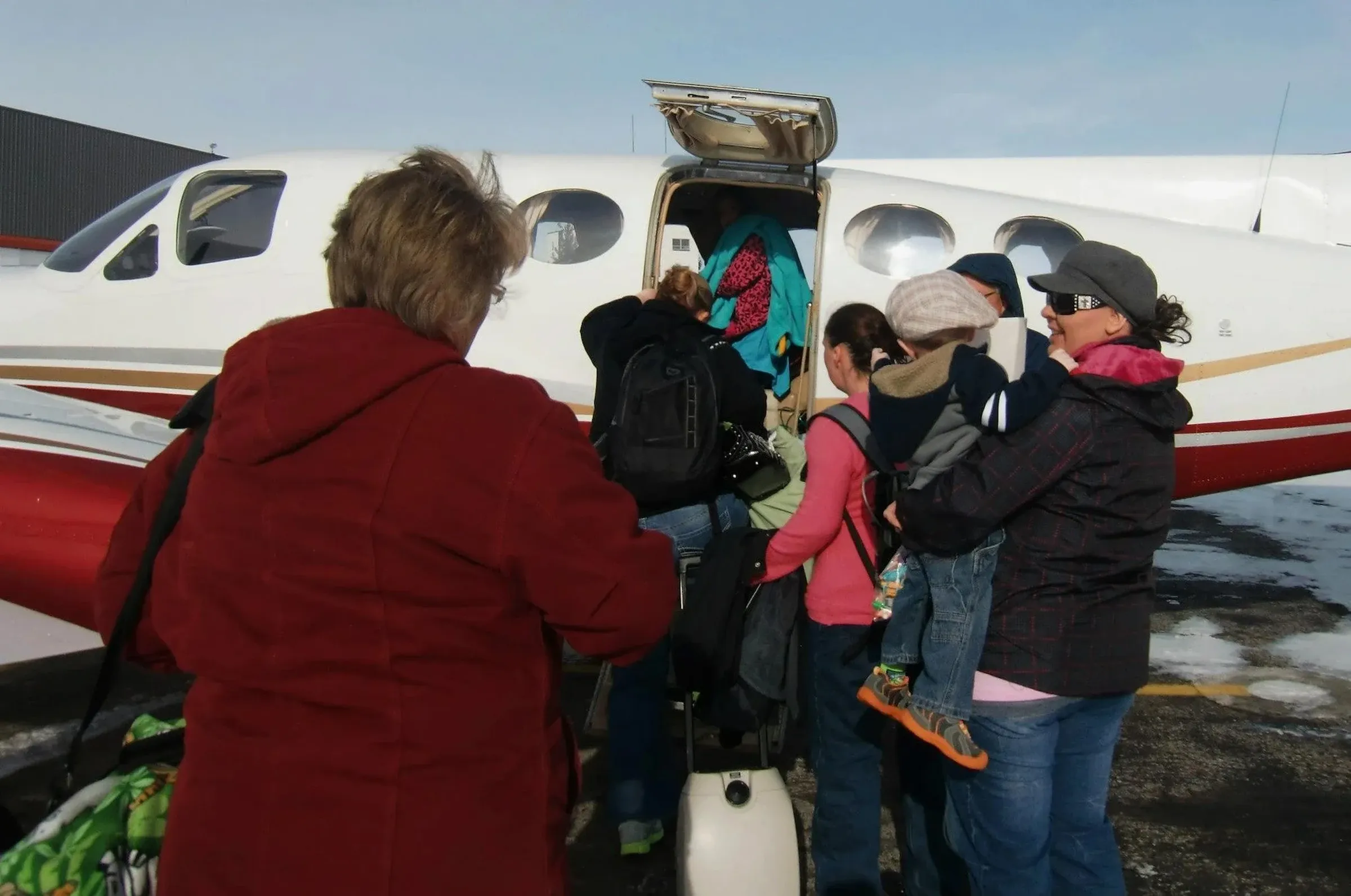
Types of Medical Transport Missions
What to Know
Medical transport missions are mission-driven and coordinated around access to care. Judah 1 is not a charter company, and these missions are not routine emergency response.
Not Commercial Air Ambulance
We do not operate as a commercial air ambulance provider or routine emergency transport service.
Not 911 Response
We do not replace emergency 911 systems, ambulances, or hospital-to-hospital ICU transport.
Mission-Driven Access
Aircraft are not the focus — access to life-changing medical care is.
Planned & Coordinated
Timing, routing, and aircraft selection are evaluated to match medical needs and mission feasibility.
Medical transport missions require disciplined planning and aircraft capability that fits the mission profile — range, passenger needs, runway access, and scheduling flexibility. Aircraft are selected and operated to match the specific mission and coordination requirements.
Missions
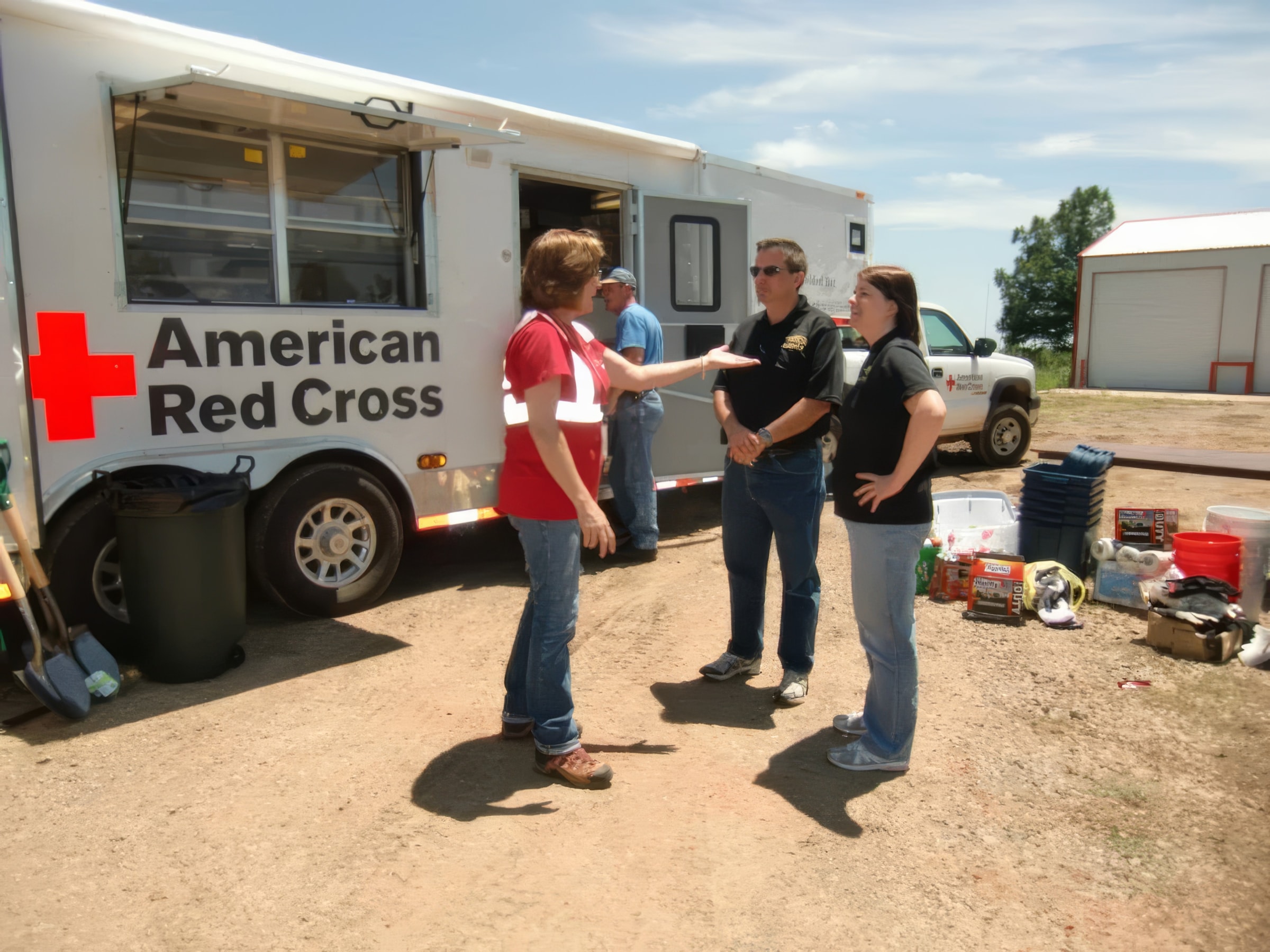
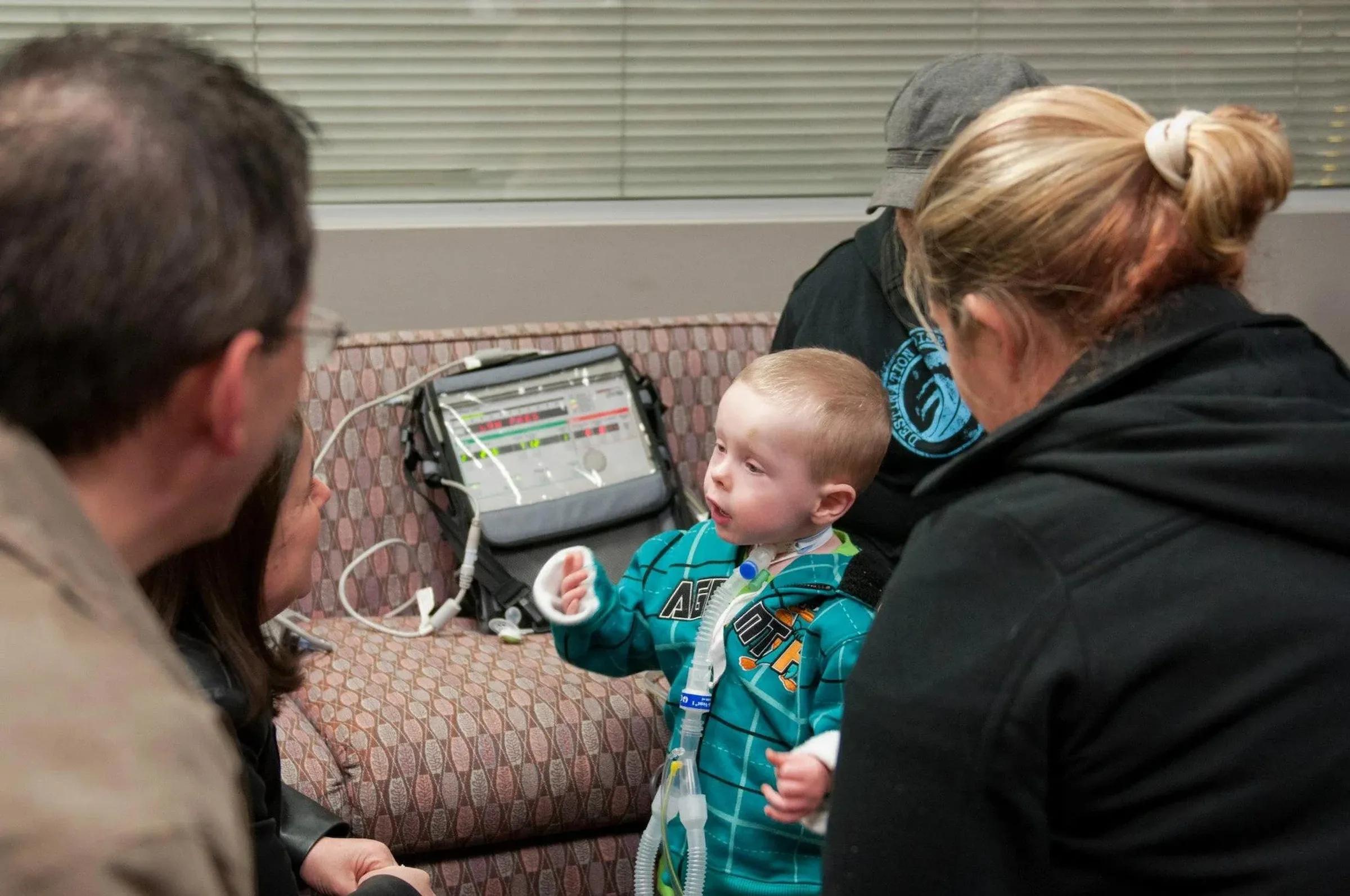
Following is a list of some of the medical transport missions Judah 1 has flown.
The Impact
Every medical transport mission represents:
- 1 Access to advanced treatment when options are limited.
- 2 Relief for families under stress and uncertainty.
- 3 Medical teams empowered to serve where they are needed.
- 4 Communities strengthened by improved access to care.
When distance is removed, outcomes improve.
Be Part of the Mission
Missions move forward because people choose to stand with us through prayer, partnership, and practical support.
Volunteer
Pilots, medical professionals, logistics experts, and support staff are all vital to our mission. Explore ways to serve.
Join the CrewSponsor a Flight
Your generosity makes every flight possible. Help us reach people in crisis and carry hope where it’s needed most.
Become a Sponsor