Emergency Evacuation Missions
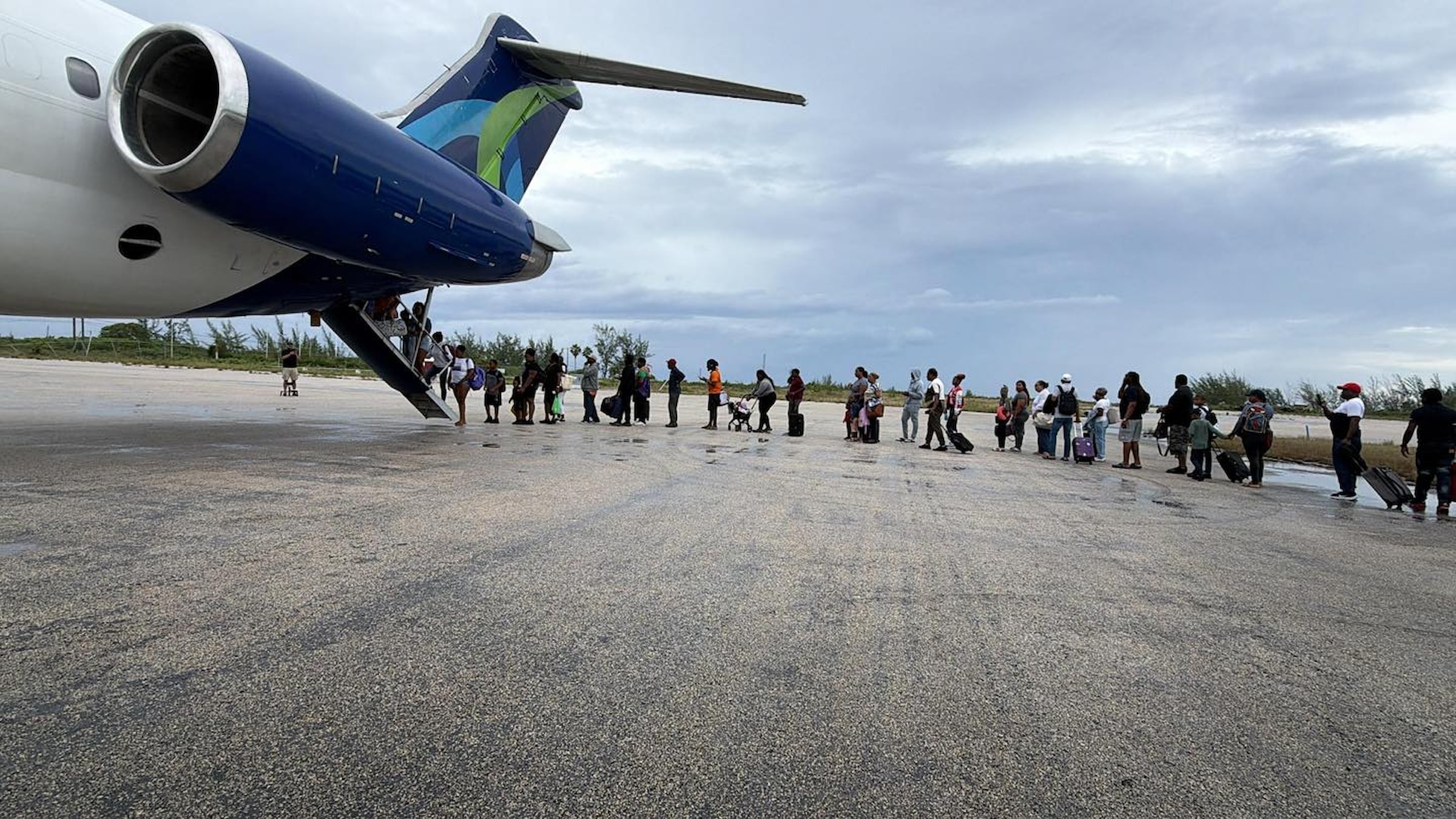
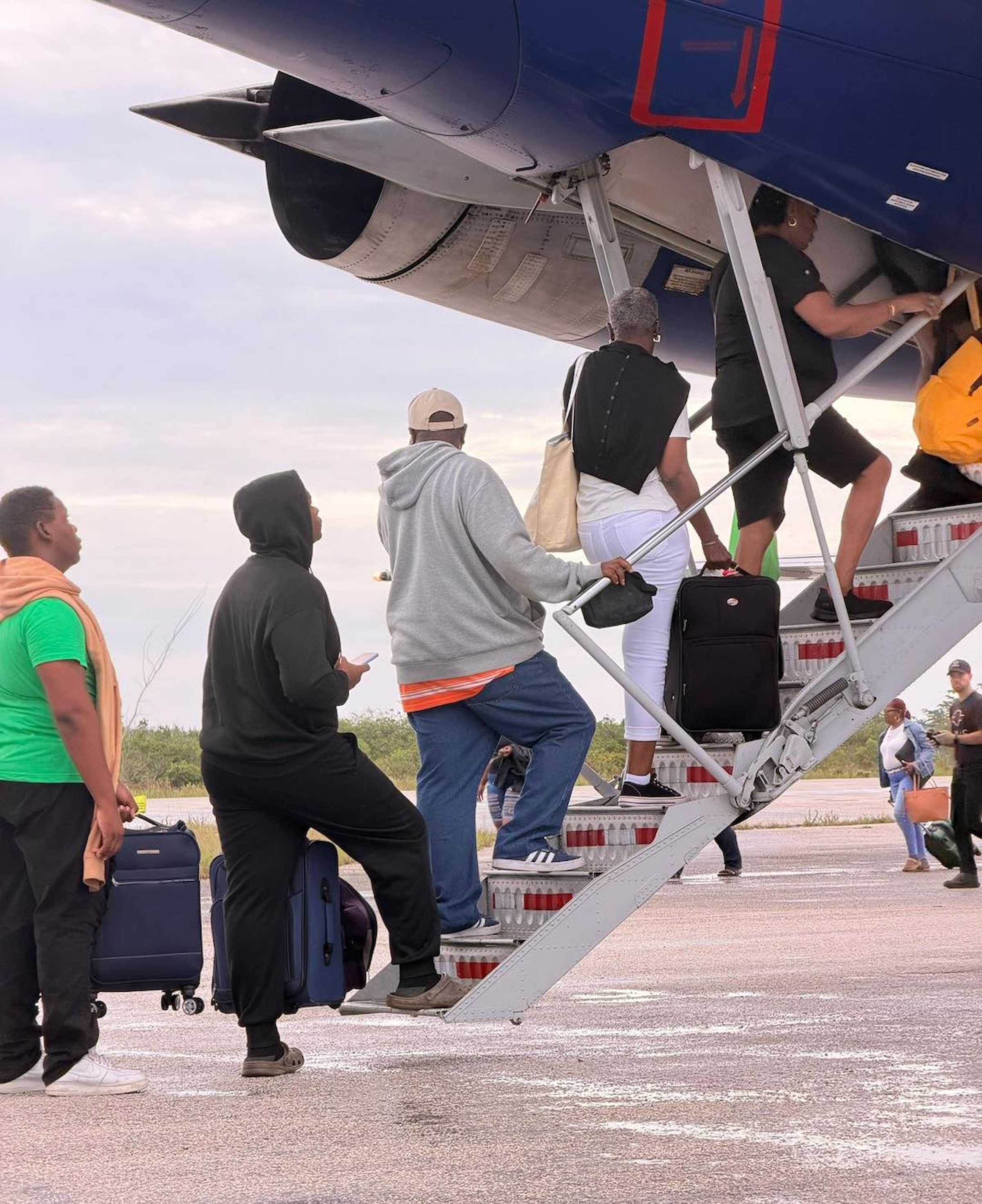
Emergency evacuation missions provide rapid aviation response when individuals or teams face immediate danger due to natural disaster, civil unrest, infrastructure collapse, or other high-risk conditions.
These missions are time-sensitive, coordination-intensive, and evaluated carefully based on safety, logistics, and mission feasibility.
What Emergency Evacuation Includes
Emergency evacuation missions are designed to move people out of dangerous or rapidly deteriorating situations. Common scenarios include:
- Evacuating individuals from regions impacted by hurricanes, flooding, earthquakes, or wildfire.
- Relocating teams from areas experiencing civil unrest or security instability.
- Extracting personnel when infrastructure failure makes safe ground departure difficult.
- Coordinating rapid response flights when commercial travel options are unavailable or unreliable.
- Supporting affiliates and partners in high-stress, time-critical situations.

Why Aviation Matters in an Emergency
In emergency situations, delays increase risk. Aviation provides direct routing, flexible departure timing, and the ability to operate when conventional transportation is disrupted.
Rapid Response
Flights can be coordinated quickly when time is critical.
Direct Routing
Avoids complex commercial connections or closed transportation corridors.
Flexible Aircraft Selection
Aircraft are selected based on distance, passenger count, runway access, and urgency.
Focused Coordination
Mission planning prioritizes safety, feasibility, and execution under pressure.
Domestic and International Response
Emergency evacuation needs can arise anywhere. The evaluation process remains consistent: assess risk, determine feasibility, coordinate resources, and execute safely.
Within the United States
Evacuations may involve severe weather events, infrastructure failures, or other urgent regional conditions requiring rapid departure.
Outside the United States
International evacuations may involve natural disasters, political instability, or security concerns requiring careful coordination and risk evaluation.
Each mission is evaluated individually based on safety, timing, and operational feasibility.
Types of Emergency Evacuation Missions
What to Know
Emergency evacuation missions are not routine travel. They are high-coordination, high-cost, and often high-risk operations evaluated carefully before execution.
Not 911 or First Response
Judah 1 does not replace local emergency services or government response.
Not Commercial Charter
Missions are mission-driven and coordinated through affiliates and partners.
Aircraft & Costs Vary
These missions often require larger aircraft and additional coordination, significantly impacting cost and logistics.
Evaluated Case-by-Case
Each evacuation request is reviewed based on safety, feasibility, available aircraft, and mission objectives.
Emergency evacuations often require aircraft with larger passenger capacity, extended range, and flexible routing. Aircraft are selected to match urgency, distance, and operational conditions.
Missions of This Type
Following is a list of some of the emergency evacuation missions Judah 1 has coordinated.
The Impact
- 1 People moved out of danger when timing mattered most.
- 2 Stability restored for partners operating in high-risk regions.
- 3 Coordinated response when conventional travel failed.
- 4 Mission continuity preserved during crisis.
In high-stress moments, aviation becomes a decisive tool for safety and stability.
Be Part of the Mission
Missions move forward because people choose to stand with us through prayer, partnership, and practical support.
Volunteer
Pilots, medical professionals, logistics experts, and support staff are all vital to our mission. Explore ways to serve.
Join the CrewSponsor a Flight
Your generosity makes every flight possible. Help us reach people in crisis and carry hope where it’s needed most.
Become a Sponsor