Disaster Relief & Supply Delivery Missions
Disaster relief and supply delivery missions use aviation to move essential resources quickly — especially when communities are isolated by damaged infrastructure, severe weather, or disrupted transportation.
These missions focus on urgent logistics: deliver the right supplies to the right place at the right time, so partners on the ground can respond effectively.
What Disaster Relief & Supply Delivery Includes
Disaster relief missions are built around rapid delivery and partner coordination. Common needs include:
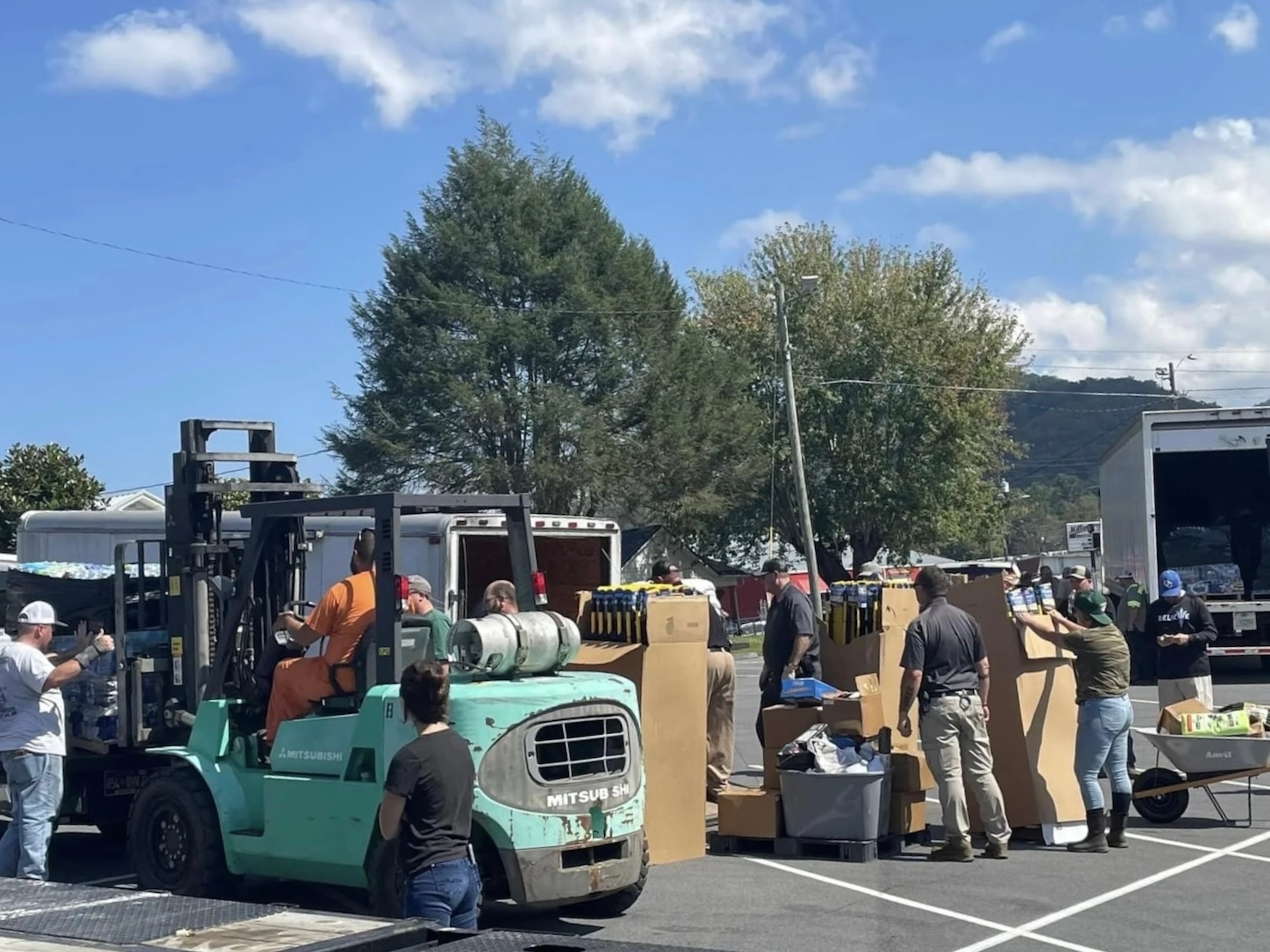
- Delivering food, water, hygiene kits, and essential household supplies.
- Transporting medical supplies, generators, tools, and recovery equipment.
- Moving relief workers and partner teams to staging areas and affected regions.
- Supporting shelters, distribution points, and local partner organizations with logistics.
- Providing access when roads are flooded, blocked, or damaged.
- Enabling follow-on deliveries during recovery when normal supply chains are disrupted.
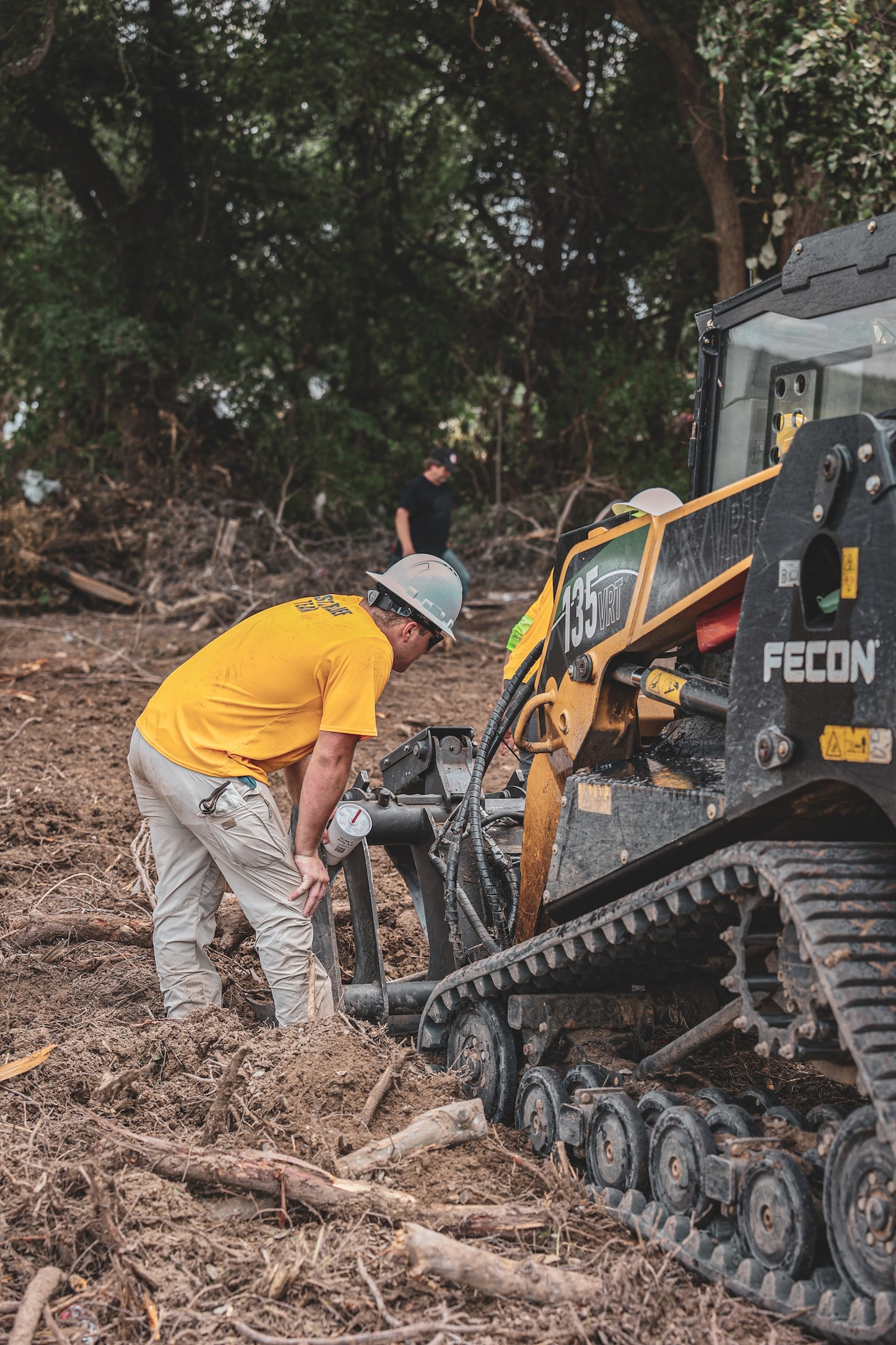
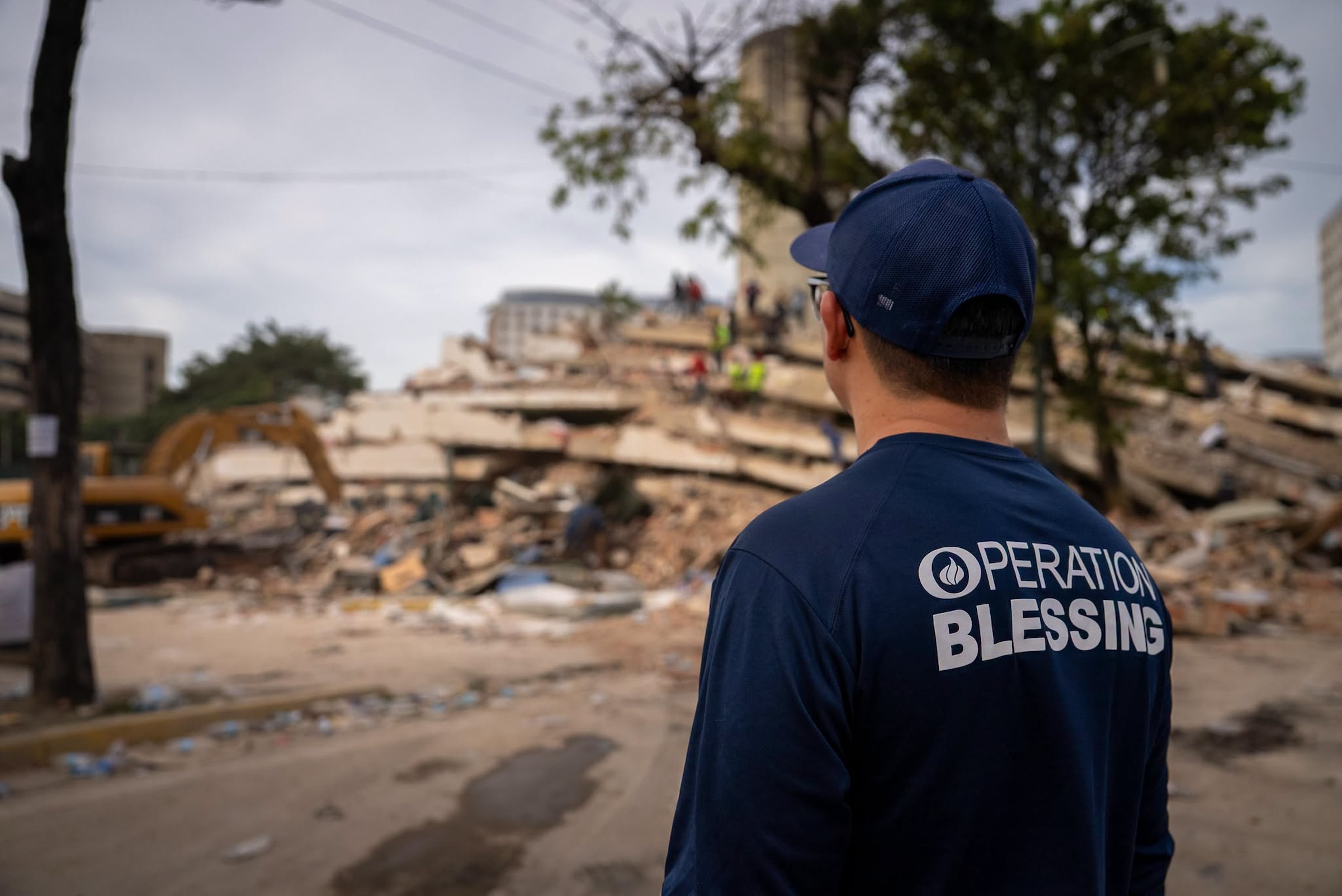

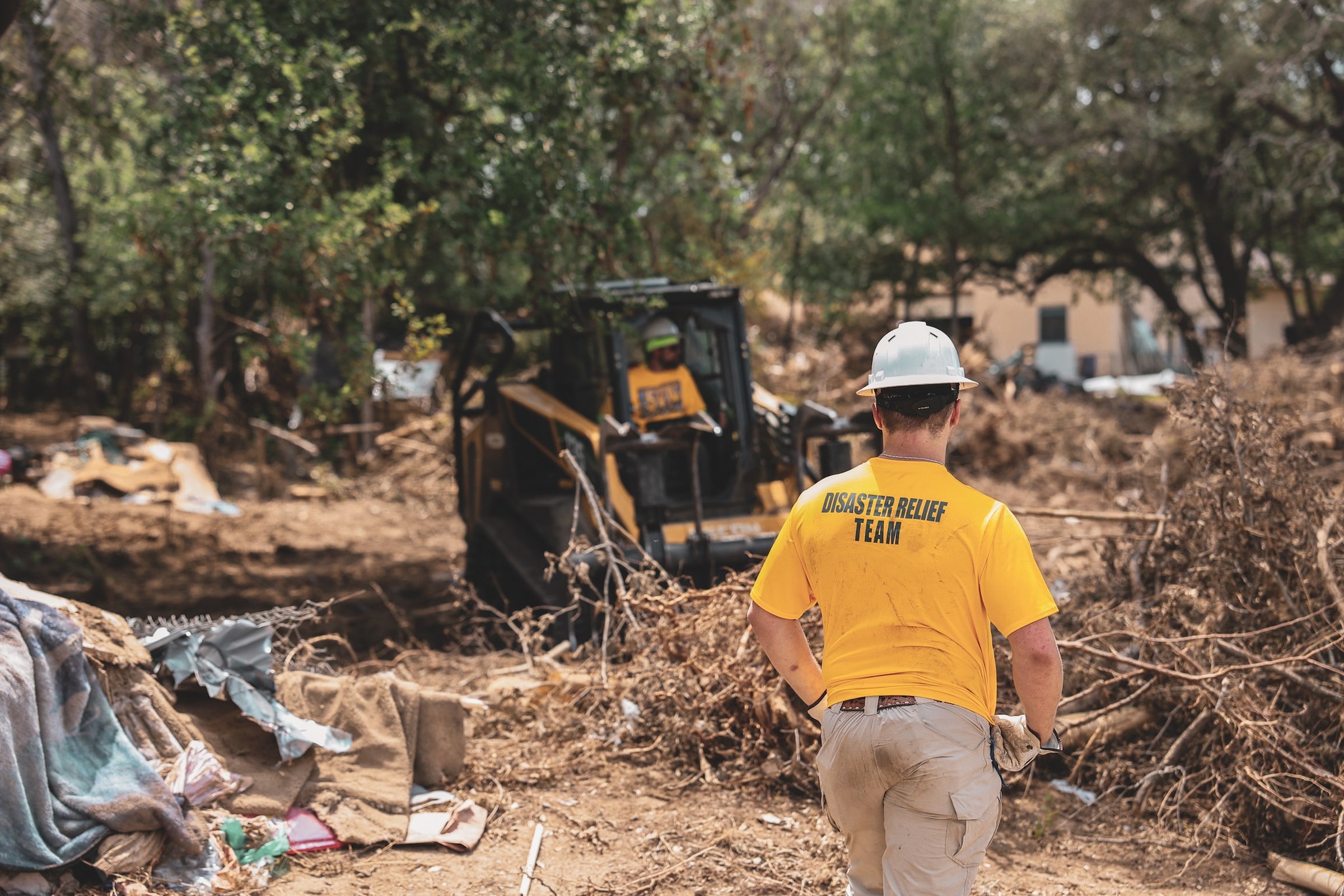
Why Aviation Matters for Disaster Relief
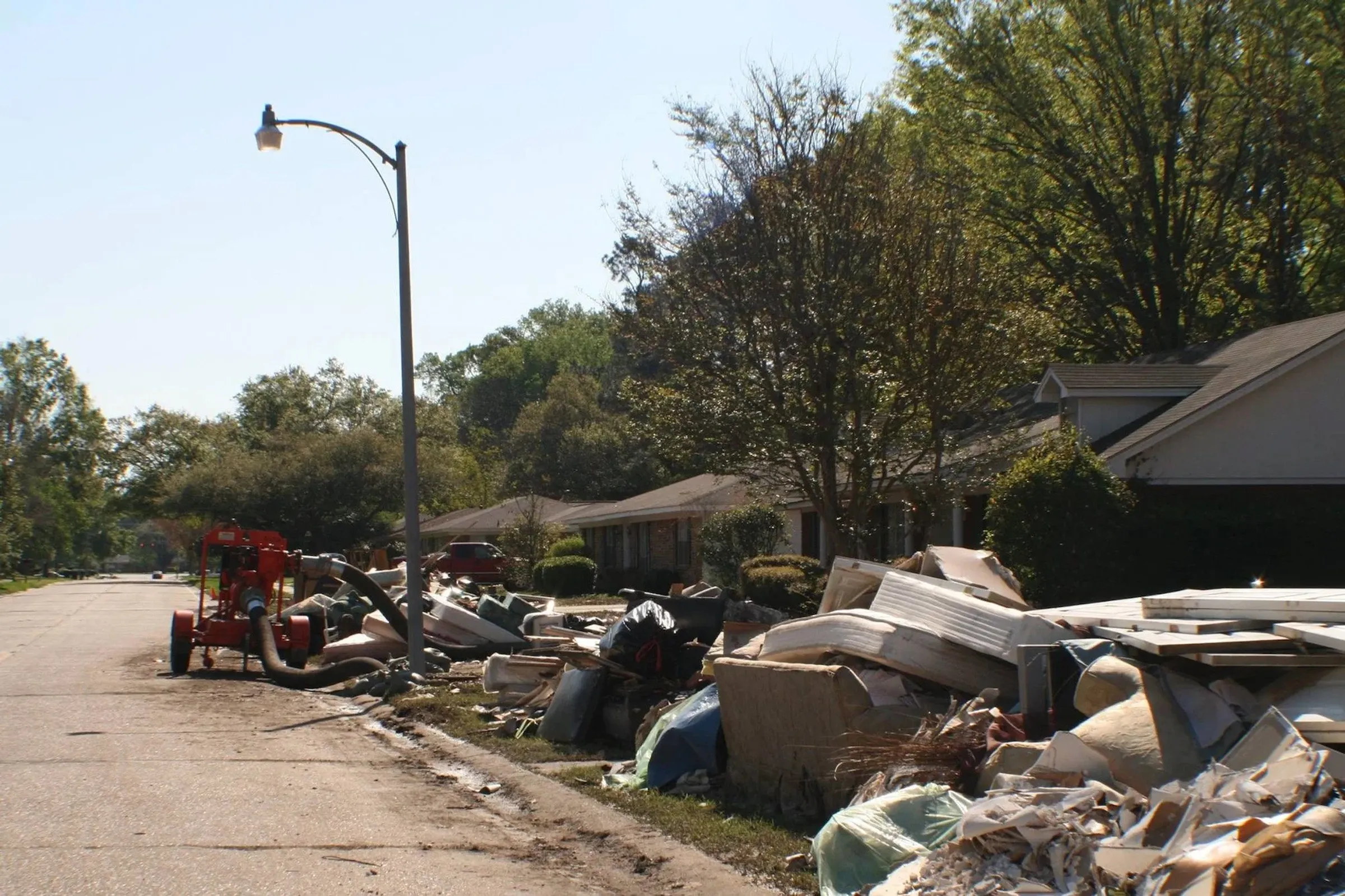
Disasters create logistics problems: transportation networks break, roads close, and time-sensitive needs escalate quickly. Aviation helps restore speed and reach when conventional routes can’t deliver.
Faster
Moves critical supplies quickly during the first hours and days of response.
More Access
Reaches communities cut off by flooding, debris, damaged roads, or limited infrastructure.
More Reliable
Provides predictable routing when ground transportation is disrupted or uncertain.
More Coordinated
Improves coordination between staging sites, partners, and distribution points.
Domestic and International Impact
Disasters vary by region, but the logistics challenge is universal: urgent needs increase while access decreases. Mission aviation helps partners deliver relief when conventional routes can’t.
Within the United States
Aviation can support response to storms, floods, wildfires, and regional disruptions—moving supplies and teams to where they can serve, even when road networks are strained.
Outside the United States
In some regions, infrastructure limitations can delay relief for days or weeks. Aviation can extend reach and improve reliability when roads are limited, damaged, or unsafe.
The geography changes. The mission does not.


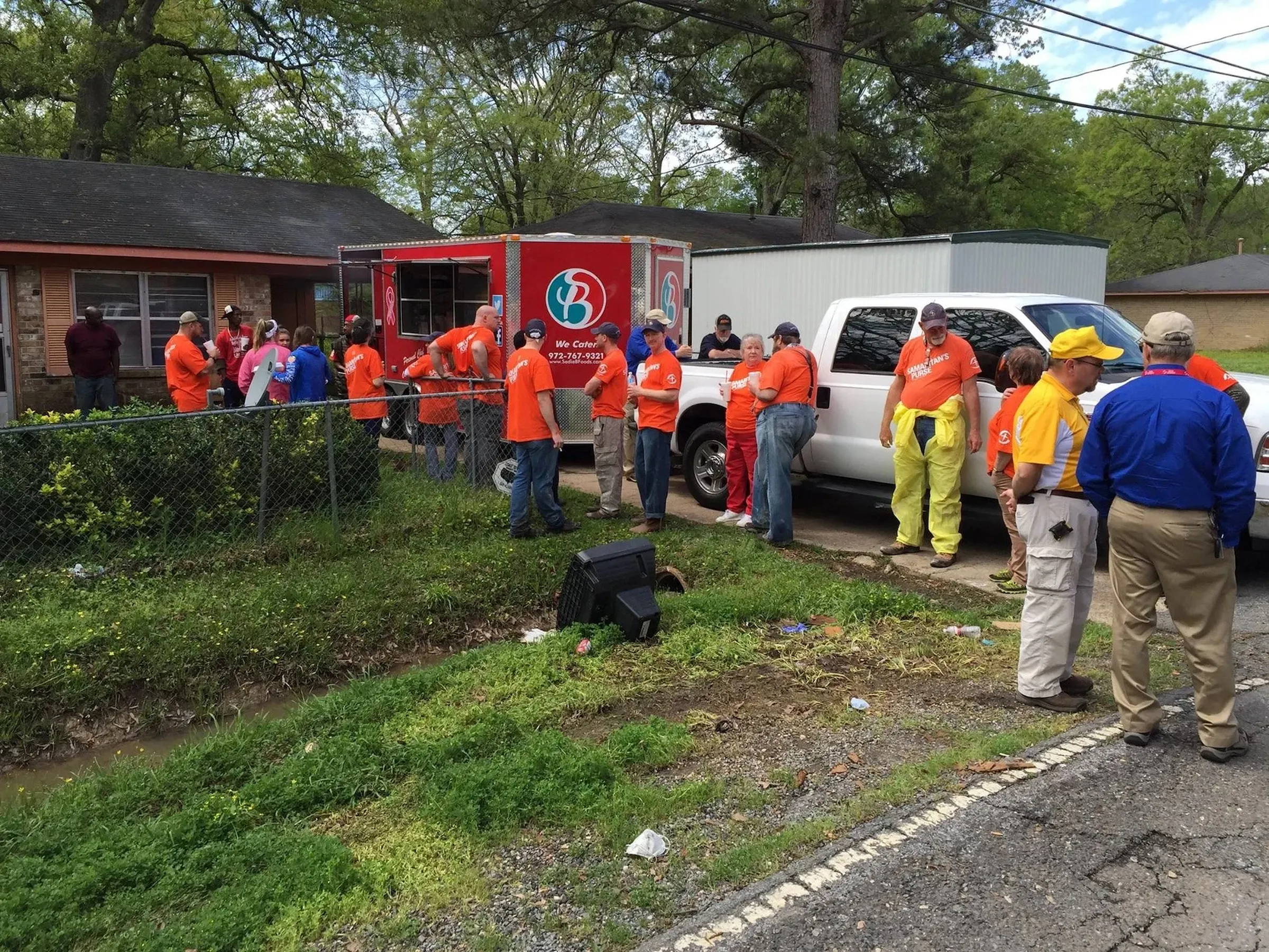
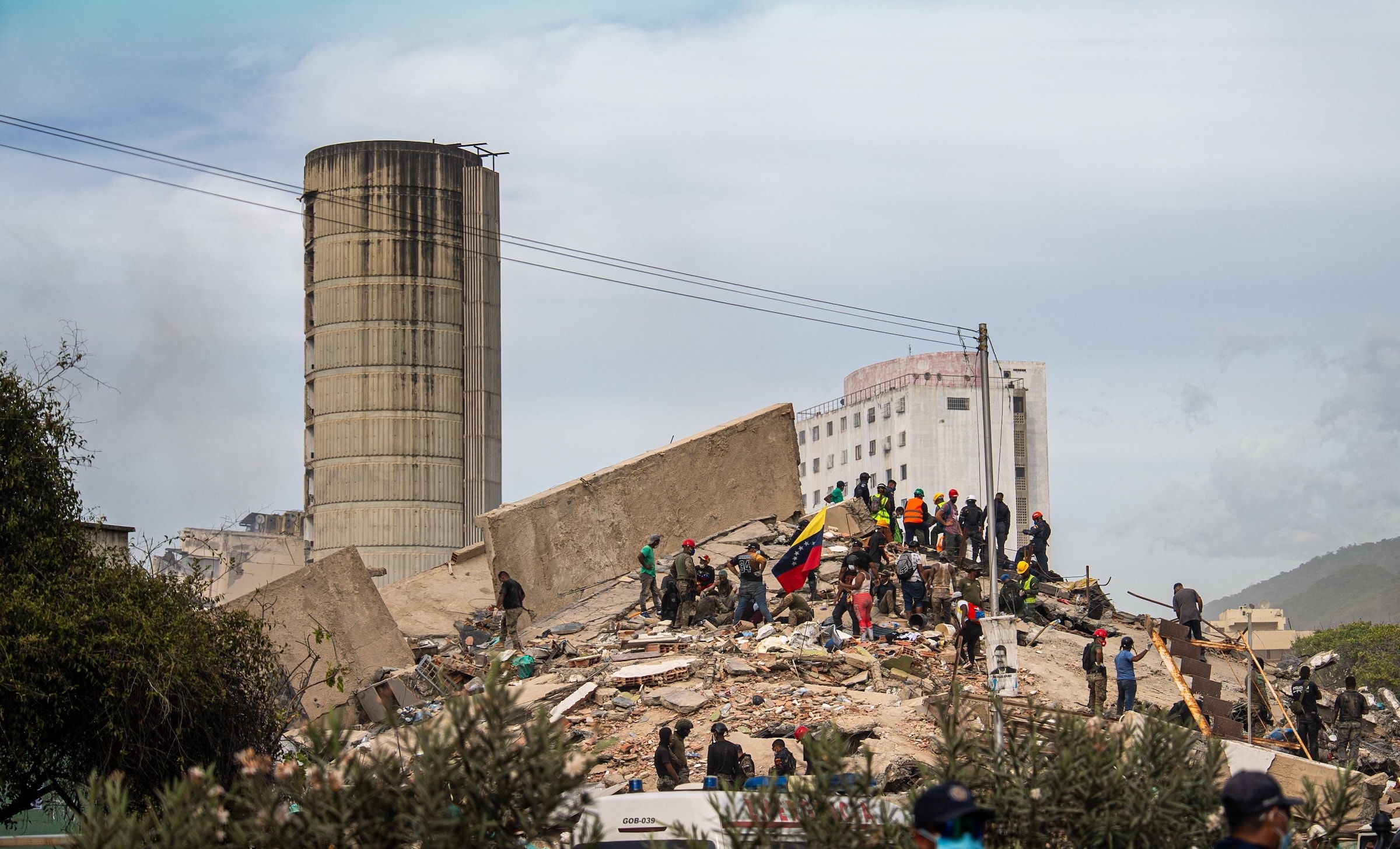

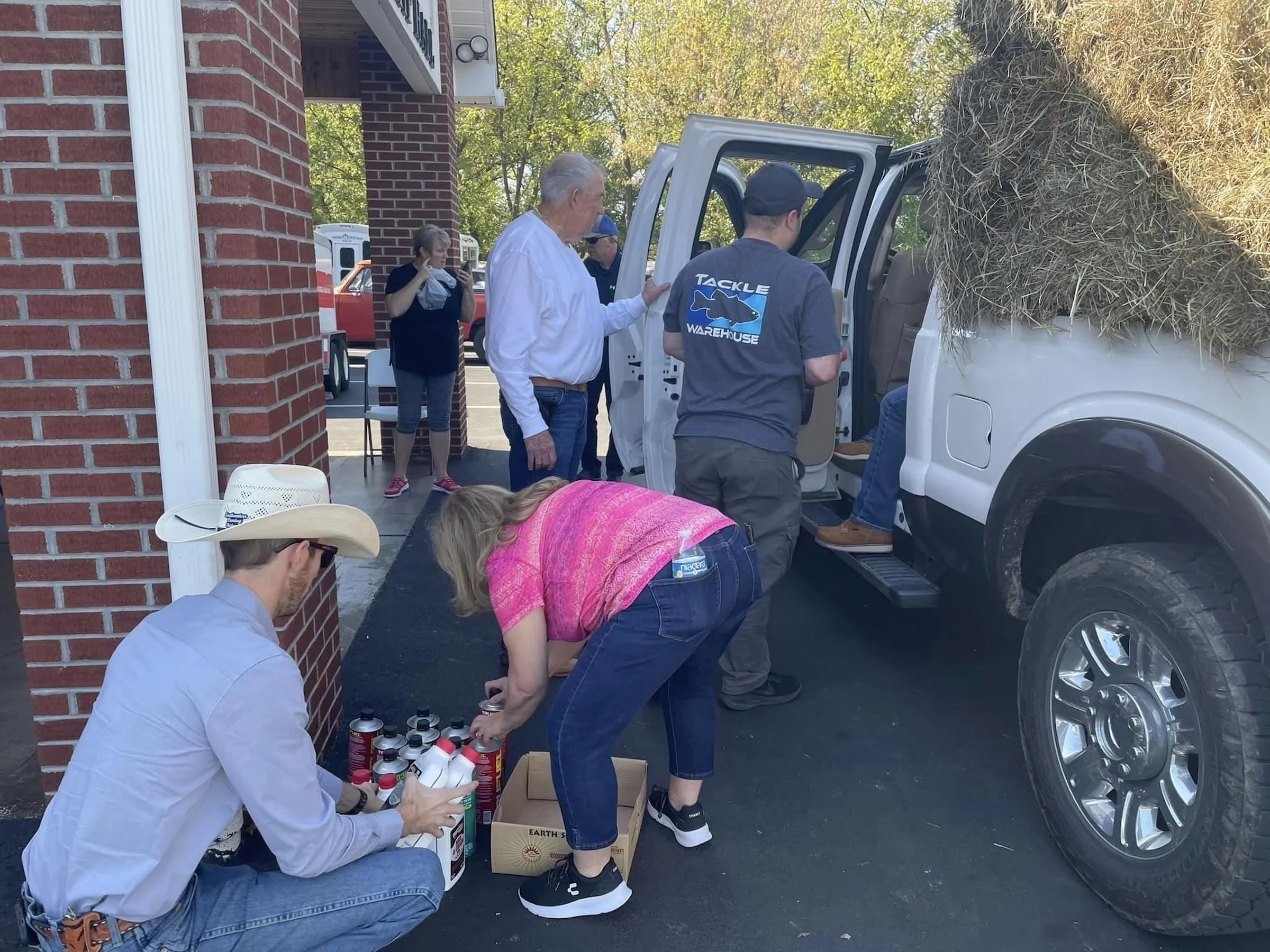
Types of Disaster Relief & Supply Delivery Missions
What to Know
Disaster relief missions are coordinated around real needs and partner objectives. This is not commercial freight or routine delivery. It is mission aviation focused on practical relief outcomes.
Mission-Driven, Not Commercial
Missions are planned around relief objectives, partner coordination, and the needs on the ground.
Not a Freight Service
Judah 1 does not operate as a commercial shipping provider for routine deliveries.
Coordination Matters
Timing, staging, routing, and aircraft selection are evaluated to match conditions and needs.
Built Around Partners
These missions typically involve affiliates and relief partners working toward defined outcomes.
Disaster relief and supply delivery missions often require aircraft that balance range, payload capacity, and operational flexibility. Aircraft are selected and operated to match the mission profile—distance, payload, runway access, and response timing.
Missions of This Type
Following is a list of some of the missions Judah 1 has flown in support of disaster relief and supply delivery.
The Impact
Every disaster relief mission represents:
- 1 Essential supplies arriving faster during the most urgent phase of response.
- 2 Partners equipped to serve communities when roads and infrastructure can’t keep up.
- 3 Access restored to isolated areas where conventional delivery is delayed or blocked.
- 4 Reliable logistics support that strengthens both response and recovery efforts.
Aviation becomes a tool that turns urgent need into practical delivery.
Be Part of the Mission
Missions move forward because people choose to stand with us through prayer, partnership, and practical support.
Volunteer
Pilots, medical professionals, logistics experts, and support staff are all vital to our mission. Explore ways to serve.
Join the CrewSponsor a Flight
Your generosity makes every flight possible. Help us reach people in crisis and carry hope where it’s needed most.
Become a Sponsor