Memorial Day, Service, and Sacrifice

Advisor to the Board
To many, Memorial Day is a long weekend spent at cookouts, on a boat at the lake, or simply a three-day break from another busy week of work. To others, it is a day filled with remembrance, gratitude, and reflection.
My father fought in World War II with the 99th Infantry Division at the Battle of the Bulge. During the battle, he was wounded and eventually captured. He spent several months as a POW before being liberated at the end of the war (my dad is number 4 on the bottom row of the picture below).
Most of my uncles also served during WWII. Service, sacrifice, duty, and love of country were simply part of that Greatest Generation.
In 1994, I traveled with my father to Belgium for the 50th anniversary commemoration of the Battle of the Bulge. Standing beside him and other 99th veterans on the very ground where they had fought fifty years earlier changed the way I viewed Memorial Day.
Many of the men they fought beside never made it home.
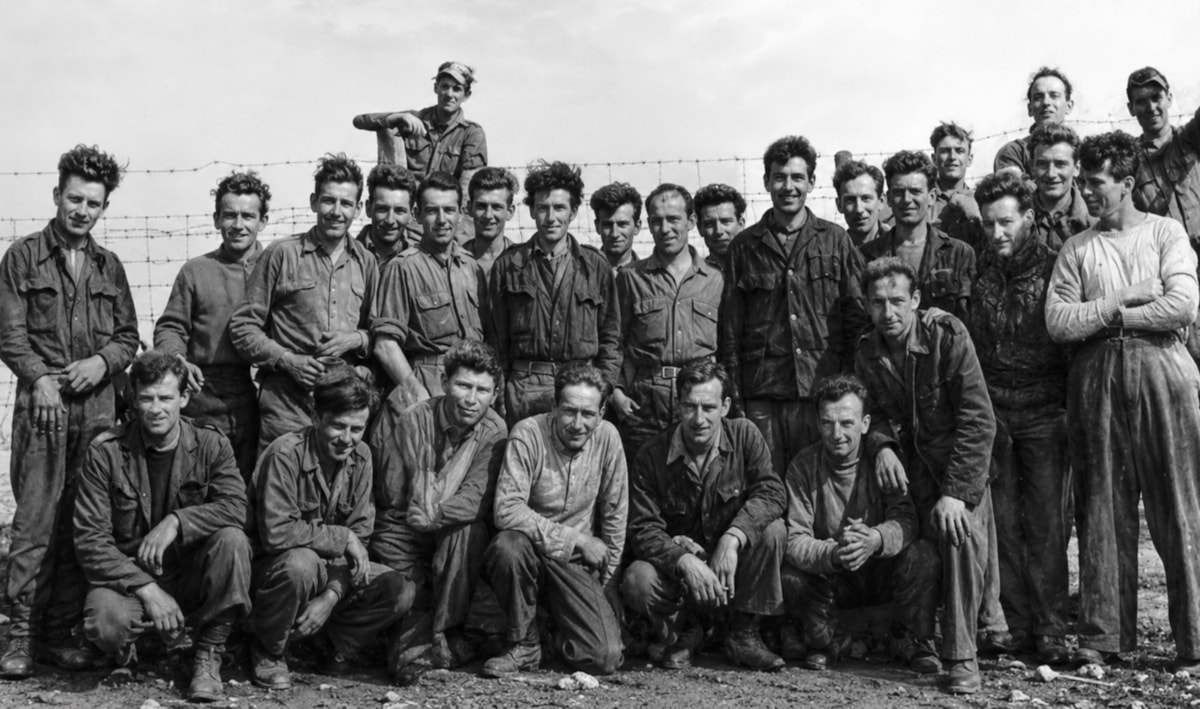
Walking through those small Belgian towns, seeing the forests, memorials, and even finding the barn where my father was captured, I realized these were not distant stories from history books. These were real young men. Real families. Real sacrifice.
What struck me most about my father’s generation was not simply their courage, but their willingness to endure hardship for the benefit of others. They believed there were things more important than comfort or personal gain.
That lesson still matters today.
While Judah 1 serves in a very different way, I believe the spirit behind it is deeply connected to those same values — service, compassion, sacrifice, and the willingness to help people you may never meet.
Whether delivering humanitarian aid, helping children, assisting missionaries, or simply showing God’s love through action, organizations like Judah 1 exist because people still choose to serve others instead of themselves.
This Memorial Day, I am grateful for the men and women who gave their lives in service to our country, for the families who carried those burdens beside them, and for the example they left for future generations.
We remember them not only for how they died, but for how they lived — and for what they were willing to sacrifice for others.